 Best Budget Laptops for Students 2026: Top Picks for Performance, Battery Life, and Value
  Cost to Build a VR Gaming Setup: Realistic Budget Breakdown and Component Guide
  Best Indie Games to Play This Year: Top Picks, Must-Try Hidden Gems, and Essential Guides
  How to Build a Custom Gaming PC: Step‑by‑Step Guide for Parts, Assembly, and Optimization
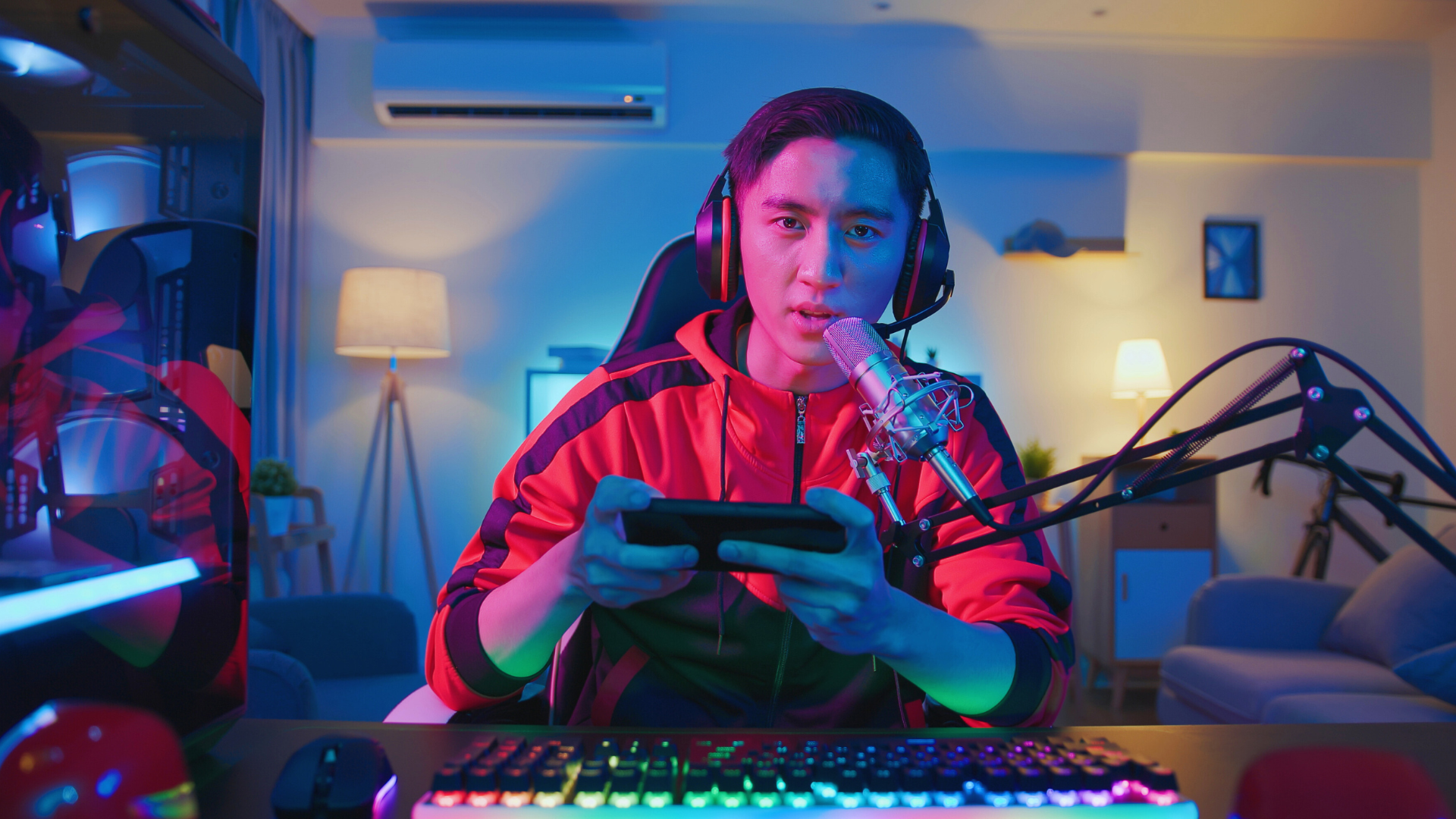
eSports tournaments have rapidly emerged as a global phenomenon, captivating millions of fans and players alike. Organized competitions allow gamers to showcase their skills in popular titles such as League of Legends, Dota 2, and Overwatch, while fans eagerly watch to see who will emerge victorious. These events not only provide entertainment for spectators but also offer substantial prize pools and career opportunities for professional players.
As technology advances, the landscape of eSports continues to evolve. Tournaments are now streamed live on various platforms, allowing for unprecedented viewer engagement and interaction. Teams and organizations spend significant resources on player training and development, reflecting the seriousness of competition in this arena.
Understanding the dynamics of eSports tournaments can enhance a fan’s appreciation for the sport. The strategic depth, teamwork, and individual talent on display provide a thrilling experience, making it essential for both newcomers and seasoned fans to explore the intricacies of competitive gaming.
History of eSports
The origins of eSports trace back to the early 1970s. The first known gaming competition took place at Stanford University in 1972, featuring the game “Spacewar!” Participants competed for a year’s subscription to Rolling Stone magazine.
In the 1980s, the popularity of arcade games, such as “Pac-Man” and “Donkey Kong,” sparked interest in competitive play. Tournaments began to emerge, with the first official tournament for “Space Invaders” held in 1980, attracting over 10,000 participants.
The 1990s marked the rise of the internet and online gaming. Titles such as “Quake” and “StarCraft” solidified competitive gaming’s presence. Major tournaments gained attention, including the “Quake Championship” in 1997.
As technology evolved in the 2000s, eSports grew significantly. The launch of streaming platforms like Twitch in 2011 provided new avenues for viewers. Games like “League of Legends” and “Dota 2” gained massive followings, leading to large-scale competitions with substantial prize pools.
By the 2010s, eSports had become more mainstream. Major events, like The International and the League of Legends World Championship, attracted millions of viewers worldwide. Organizations began forming, bringing together professional teams and sponsors.
Today, eSports is recognized as a legitimate industry, with millions of players and fans. The continuous growth and development signify its lasting impact on the gaming landscape.
Major eSports Games
eSports encompasses a variety of competitive games that attract millions of players and viewers. Some of the most significant ones include:
- League of Legends: A multiplayer online battle arena (MOBA) game that is extremely popular for its strategic gameplay and large tournaments.
- Dota 2: Known for its complexity, Dota 2 features team-based competition and high-stakes events, notably The International.
- Counter-Strike: Global Offensive (CS): A first-person shooter (FPS) that remains a mainstay in the eSports community, with international competitions and a dedicated fan base.
- Fortnite: This battle royale game gained immense popularity for its unique building mechanics and dynamic gameplay.
- Call of Duty: With various installments, this FPS game has a significant presence in the eSports scene, including leagues and tournaments.
- Overwatch: A team-based shooter, Overwatch combines elements of strategy and diverse hero abilities, appealing to a wide audience.
- PUBG (PlayerUnknown’s Battlegrounds): Another battle royale title that has established itself through competitive play and large events.
These games offer unique experiences and challenges, contributing to their prominence in the eSports landscape. The tournaments associated with these games often feature substantial prize pools, attracting top talent globally.
Types of eSports Tournaments
eSports tournaments come in various formats, each designed to cater to different audiences and player preferences. The three primary types include online tournaments, LAN tournaments, and invitational tournaments, each with unique characteristics and operational frameworks.
Online Tournaments
Online tournaments allow players to compete remotely from their homes or local setups. This format has gained immense popularity due to its accessibility. Participants can join from around the world, often with minimal entry barriers.
Typically, these tournaments utilize platforms that facilitate matchmaking and streaming. Players join through a registration process, and matches are often played in a bracket or league format. Tournament organizers can host qualifiers leading to larger events.
Players face challenges such as latency and varying internet speeds, which can impact performance. Nevertheless, online tournaments can attract a large number of participants and fans, making them a staple in the eSports community.
LAN Tournaments
LAN (Local Area Network) tournaments involve players competing in the same physical location. This format fosters a vibrant atmosphere and enhances viewer engagement. Players gather at designated venues, where they connect via a local network.
These events usually feature high-stakes competition, live audiences, and extensive production values. They often draw significant sponsorships and media attention. Players experience reduced latency, which can optimize their performance.
The logistics of LAN tournaments can be complex, involving venue selection, equipment setup, and live-streaming arrangements. Security and scheduling must also be managed to ensure smooth operations throughout the event.
Invitational Tournaments
Invitational tournaments invite select teams or players, emphasizing elite competition. They often showcase top-tier talent and can attract significant media presence. These events are typically organized by game publishers or major sponsors.
Participants do not go through open qualifiers; instead, invitations are based on rankings, previous performances, or sponsorships. The structure may vary, featuring a round-robin format or knockout stages.
With substantial prize pools, invitational tournaments elevate the stakes for participants. These events also serve as a platform for promoting games and franchises, drawing large audiences both in-person and online.
Tournament Formats
There are several common tournament formats used in eSports to organize competitions. Each format has unique characteristics that affect how teams progress and ultimately determine the champion. Knowledge of these formats can help participants and fans better understand tournament dynamics.
Single Elimination
In a single-elimination tournament, teams compete in a knockout format. Each match eliminates the losing team, while the winning team advances to the next round. This format is straightforward and efficient, finishing the tournament quickly.
- Advantages: Quick turnaround time and fewer matches needed compared to other formats.
- Disadvantages: A single loss results in elimination, which can lead to upsets early in the tournament.
This format is often used in events with a large number of participants, where time constraints are an important factor.
Double Elimination
Double elimination offers teams a second chance before elimination. Each team must lose two matches to be fully eliminated from the tournament. It consists of a winners’ bracket and a losers’ bracket, allowing for a more forgiving structure.
- Advantages: Reduces the impact of a single bad match and can create more exciting rematches.
- Disadvantages: Can be more time-consuming and complex, requiring more matches and careful tracking of brackets.
This format is popular in competitive gaming because it balances fairness and excitement.
Round Robin
Round-robin tournaments allow each team to play against every other team. Points are awarded for wins, and the team with the most points at the end is declared the winner.
- Advantages: Provides a comprehensive evaluation of all teams, reducing the impact of luck or bad matchups.
- Disadvantages: Time-consuming, especially with many teams, and can lead to issues in determining tiebreakers.
This format is commonly seen in league play and seasonal competitions where teams compete over an extended period.
Swiss System
The Swiss system features a set number of rounds, where teams are paired against opponents with similar win-loss records. Teams do not face each other more than once, allowing participants to play multiple matches against a variety of opponents.
- Advantages: Balances the number of matches with the chance of facing similarly skilled opponents.
- Disadvantages: Ranking can be complicated, and final standings may be less intuitive than elimination formats.
This approach is favored in larger tournaments where time is limited but many teams need to compete.
eSports Ecosystem
The eSports ecosystem is a complex network involving various stakeholders, each playing a crucial role in its growth and functionality. The interplay between teams, players, coaches, broadcasters, sponsors, and advertisers drives the industry forward.
Teams and Players
Teams are the backbone of the eSports industry. They consist of skilled players who compete in tournaments across multiple titles, from League of Legends to Counter-Strike: Global Offensive.
Players often undergo rigorous training schedules, sometimes practicing for over 10 hours daily. They participate in leagues and tournaments, aiming to build their reputation and attract sponsorships.
Notable teams, like Team Liquid and Fnatic, have established themselves globally, not just through gameplay but also by cultivating fan engagement. The relationship between players and their teams can significantly impact team dynamics and success.
Coaches and Analysts
Coaches and analysts play vital roles behind the scenes. Coaches develop strategies and help players refine their skills, often focusing on mental aspects and teamwork.
They analyze previous matches, identifying strengths and weaknesses to prepare for future competitions. This detail-oriented approach is critical for maintaining a competitive edge.
Analysts provide data-driven insights post-match, evaluating performance metrics. Their analyses contribute to adjusting strategies for upcoming matches, ensuring players remain competitive in rapidly evolving gaming environments.
Broadcasters and Streamers
Broadcasters and streamers are essential for bringing eSports to a wider audience. They provide live commentary and analysis during tournaments, making the experience engaging for viewers.
Popular platforms like Twitch and YouTube Gaming have enabled many streamers to build personal brands while showcasing their skills and providing content to fans.
Broadcasters play a significant part in creating the atmosphere of competitions, turning matches into high-stakes events that attract millions of viewers. Their ability to narrate exciting moments enhances the spectator experience.
Sponsors and Advertisers
Sponsors and advertisers fuel the eSports ecosystem financially. Major brands partner with teams and tournaments to reach the growing audience of gamers and fans.
Sponsorship deals can include jersey placements, event sponsorships, and collaborations for branded content. Companies like Intel and Red Bull are prominent in this space, associating their brands with prestigious tournaments.
This financial backing not only supports teams but also facilitates tournament organization, from venue selection to marketing efforts. Such sponsorships contribute to eSports’ visibility and growth in the mainstream market.
Event Organization
Effective organization is crucial for successful eSports tournaments. This involves multiple factors including careful venue selection, logistical planning, and adherence to rules that ensure fair play among participants.
Venue Selection
Choosing the right venue significantly impacts an eSports tournament’s success. Factors to consider include capacity, location, and amenities.
- Capacity: The venue must accommodate players, teams, and fans. Large stadiums can host major tournaments, while smaller venues may suit grassroots events.
- Location: Accessibility is key. A venue situated near public transport can attract more attendees.
- Amenities: High-speed internet and reliable power sources are essential for gameplay. Additional facilities like seating, concessions, and parking improve the overall experience.
Beyond core requirements, venue suitability also depends on strong infrastructure for large tournaments. Facilities like clean water access, washrooms, stable electricity, and backup power are essential to avoid disruptions in gameplay, streaming, and coordination. As part of planning, organizers may also review contingency power solutions through sites like https://www.powergeneratordepot.com/ to help ensure uninterrupted operations during major events.
Logistics and Scheduling
Logistics involve coordinating various elements to ensure the tournament runs smoothly. Scheduling is vital for maintaining an efficient flow.
- Equipment Management: Organizers must secure and test all gaming equipment well in advance. This includes consoles, PCs, and peripherals.
- Timelines: Establishing a clear schedule for matches helps manage player expectations and audience engagement.
- Staff Coordination: It’s important to assign roles to staff, including referees, security, and technical support. Proper training ensures everyone knows their responsibilities.
Rules and Fair Play
Setting rules is essential for maintaining professionalism and fairness. Clear guidelines establish how the tournament will be conducted.
- Game Rules: Each game type may have specific rules. Organizers should provide detailed information to players ahead of time.
- Code of Conduct: This outlines acceptable behavior, ensuring a respectful environment. Violations can lead to penalties or disqualification.
- Dispute Resolution: Having a protocol for resolving conflicts is critical. Designated referees and a clear process help address any disputes effectively and fairly.
These elements contribute to a well-organized and engaging eSports tournament experience.
Economic Impact of eSports Tournaments
eSports tournaments generate significant economic activity through various channels, impacting local economies and global markets. Key elements include prize pools, diverse revenue streams, and the rapid growth of the market.
Prize Pools
Prize pools are a major attraction for players and viewers alike. They finance the competition and reflect the tournament’s prestige.
Tournaments can feature prize pools that range from thousands to millions of dollars. For instance, The International, a premier Dota 2 tournament, has seen prize pools exceed $40 million.
These funds not only drive competition but also stimulate sponsorships and viewer engagement. Increased prize money can elevate the quality of play and attract top-tier talent, enhancing the tournament’s global profile.
Revenue Streams
Revenue generated from eSports tournaments can be diverse and substantial. Common sources include ticket sales, sponsorships, advertising, and broadcasting rights.
Sponsorship deals are particularly lucrative, with brands eager to connect with the youthful gaming demographic. Sponsorships can range from apparel to tech companies, significantly bolstering tournament budgets.
Merchandising also contributes, as fans purchase team memorabilia and branded apparel. Data-driven advertising during live streams enables precise targeting, increasing effectiveness and revenue potential.
Market Growth
The eSports market has seen explosive growth in recent years, driven by both viewership and participation. Reports indicate that the global eSports market was valued at over $1 billion in 2021 and is projected to continue expanding significantly.
Factors propelling this growth include increased internet access, advancements in streaming technology, and a rising acceptance of gaming as a legitimate form of entertainment.
Alongside that, major investment from venture capital and established sports franchises enhances the industry’s profile. Such growth indicates a promising future for eSports, with the potential for increased economic impact on a global scale.
Cultural Influence of eSports
eSports has significantly impacted various cultural facets, including media representation, governance, and community dynamics. These elements contribute to a broader understanding of how eSports fits into society and its various interactions.
Media Coverage
The rise of eSports has attracted substantial media attention, with mainstream outlets increasingly covering tournaments and related events. Popular platforms like ESPN and major news networks now host eSports segments, highlighting its legitimacy and growing audience.
Streaming platforms, such as Twitch and YouTube, have transformed viewing habits, allowing fans to engage live with commentary and interaction. Broadcasts often feature analysis and highlights, creating a more immersive experience for audiences.
Moreover, notable personalities, including athletes and celebrities, have endorsed eSports. This exposure has helped elevate its status, integrating it into broader pop culture discussions.
Regulations and Governance
The governance of eSports is becoming more structured, with various organizations working to establish standards. Entities like the International eSports Federation (IESF) are developing rules and regulations to ensure fair play and transparency in competitions.
Additionally, many games have adopted accountability measures, including anti-cheat systems to maintain integrity. These efforts help protect the interests of players and the industry as a whole.
Furthermore, there is an ongoing discussion related to player rights and contracts. As eSports becomes a more formalized career path, regulations around contracts and labor rights are gaining attention, aligning it more with traditional sports practices.
Community Building
eSports has fostered strong community ties among players and fans. Online platforms enable users to connect through forums, social media, and live events, creating engagement at multiple levels.
Local tournaments and meetups allow enthusiasts to interact in real life, strengthening connections. These gatherings often showcase a spirit of camaraderie and teamwork, expanding the eSports community.
Furthermore, many organizations focus on inclusivity and outreach, developing programs that encourage diverse participation. By creating safe and welcoming spaces, eSports communities are promoting a sense of belonging and shared identity among participants.
Challenges in eSports Tournaments
Various difficulties arise within eSports tournaments that can impact players, teams, and the integrity of the events. Key challenges include cheating practices, the health and wellness of players, and the need for greater diversity and inclusivity in the scene.
Cheating and Integrity
Cheating remains a significant issue in eSports tournaments. Methods such as software hacks, bot usage, and match-fixing undermine the competitive nature of these events. Strategies to combat cheating include:
- Anti-Cheat Software: Many tournaments use advanced software to detect irregularities.
- Player Monitoring: Increased scrutiny of player behavior can help identify suspicious patterns.
- Regulatory Bodies: Independent organizations are emerging to enforce rules and penalties.
Organizers must ensure a level playing field to maintain integrity and trust among participants and fans.
Player Health and Wellness
The intense nature of eSports tournaments can lead to numerous health issues for players. Concerns include:
- Physical Strain: Prolonged gaming sessions can lead to repetitive strain injuries.
- Mental Health: The pressures of competition may cause anxiety and depression.
- Lifestyle Factors: Irregular sleeping and eating patterns can negatively affect performance.
Tournaments increasingly recognize these issues and begin to implement wellness programs, including regular breaks, fitness activities, and mental health resources. Prioritizing player health can enhance performance and ensure long-term participation in the industry.
Diversity and Inclusivity
Diversity and inclusivity present ongoing challenges within eSports. The lack of representation for women and minority groups can hinder growth. Key aspects to address include:
- Recruitment Initiatives: Encouraging participation from diverse backgrounds can enhance the gaming community.
- Awareness Campaigns: Promoting events that celebrate diversity helps in creating an inclusive atmosphere.
- Support Networks: Establishing organizations that provide mentoring and resources can empower underrepresented players.
By addressing these challenges, the eSports industry can cultivate a more inclusive environment, benefiting all stakeholders involved.
Future of eSports Tournaments
The future of eSports tournaments is shaped by technological advancements, the expansion of competitive leagues, and increasing integration with traditional sports. These elements will drive the growth and popularity of eSports.
Technological Innovations
Technological progress is crucial to the evolution of eSports tournaments. High-definition streaming, virtual reality (VR), and augmented reality (AR) improve viewer experiences and engagement. These technologies allow fans to feel as if they are part of the action.
AI is also playing a role by enhancing matchmaking and creating better game balance. Analytics tools provide insights into player performance, helping teams develop strategies. Blockchain technology may facilitate secure transactions and improve tournament integrity. The emergence of 5G technology is set to reduce latency, enabling smoother gameplay.
Expansion of Leagues
The rise of professional leagues is transforming the eSports landscape. Organizations, such as the Overwatch League and League of Legends European Championship, are formalizing competitions and providing structured events. These leagues attract sponsorships, increasing financial stability.
Local competitions are also gaining traction, allowing amateur players to showcase their talents. This grassroots-level participation fuels interest and builds larger fanbases. As more eSports titles gain prominence, additional leagues will continue to emerge, broadening opportunities for both players and fans.
Integration in Traditional Sports
Integration with traditional sports has significant implications for eSports tournaments. Collaborations between eSports organizations and professional sports teams are becoming common. This fusion creates unique events, combining elements from both spheres to reach wider audiences.
Merchandising opportunities also expand through partnerships, further enhancing revenue streams. Many traditional sports organizations are investing in eSports franchises, recognizing its growing appeal. This trend leads to increased legitimacy for eSports while integrating it more deeply into mainstream entertainment culture.